



Building a Comfortable Resting Corner for Your Dog
Choose a quiet position, practical bedding, and household habits that let your dog rest without being cut off from family life.
Read the story Pets journal
THE AMENKINGDJ PETS JOURNAL
A thoughtful journal for people who share their lives with dogs and cats. Small routines, useful ideas, better days together.
Explore the latest
Prepare current contacts, care permissions, and transport information that another responsible adult can find when plans change.
Read the full story ↗NEW PERSPECTIVES
Choose a quiet position, practical bedding, and household habits that let your dog rest without being cut off from family life.
Read the story
Prepare a retreat, brief your guests, and give your cat a choice about joining household activity.
Read the story
Create a useful comparison note by checking the intended animal, feeding role, manufacturer information, and questions for your veterinarian.
Read the story
Make the carrier a familiar household object and practise small voluntary steps before you need to travel.
Read the story
Sort a small collection by how it is used, inspect it regularly, and keep favourite activities available without covering the floor.
Read the story
Gather a concise question list, current product details, and travel arrangements so the appointment begins with useful information.
Read the story
Build a voluntary resting skill in small steps, starting in a quiet room and adding ordinary household activity gradually.
Read the story
Compare access, size, cleaning, and placement before choosing a new bed for your dog or cat.
Read the story
Before a dog’s first boarding stay, owners should prepare familiar food and items, complete information about habits, health, and temperament, emergency and care arrangements, and communicate thoroughly with the caregiver to keep the dog comfortable and the owner reassured.
Read the storyFIND YOUR NEXT GOOD READ
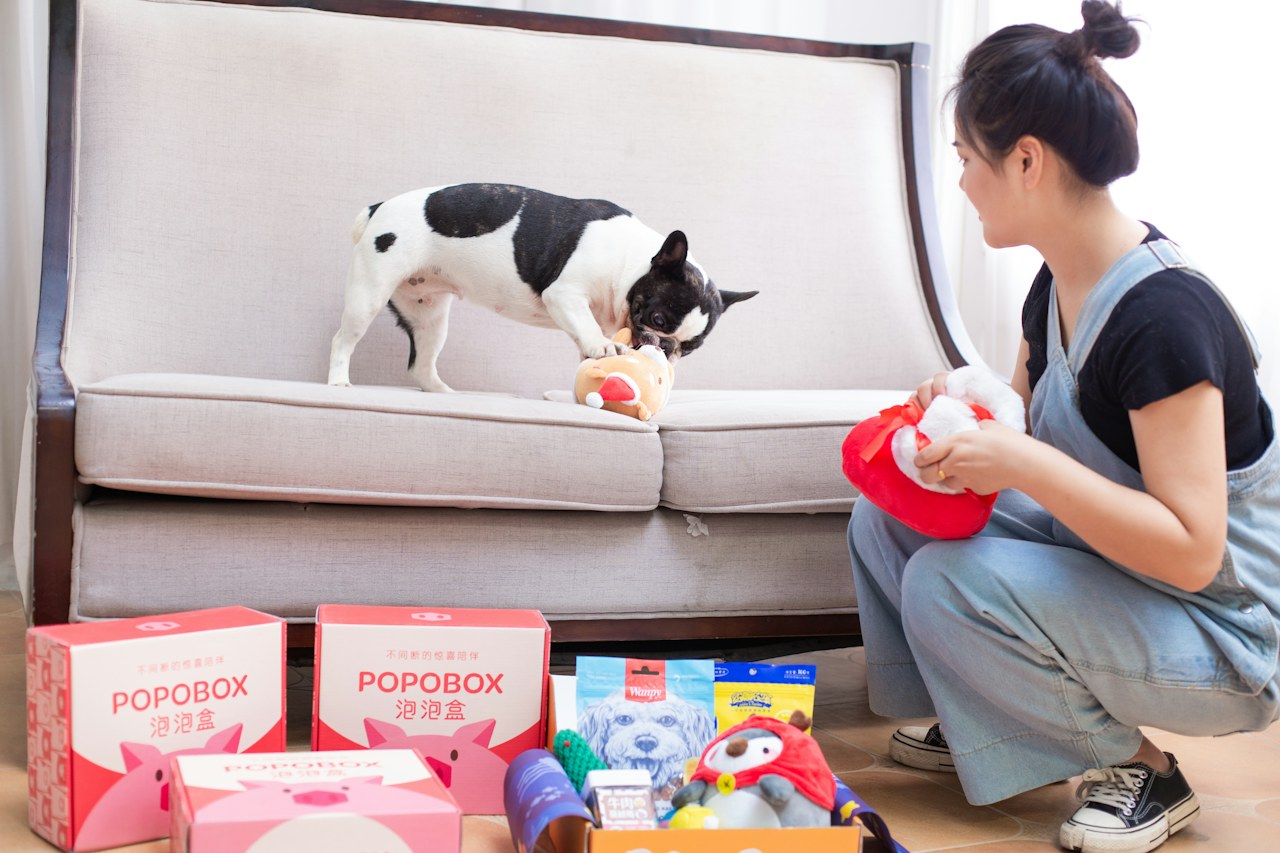
Prepare a concise care note, a familiar routine, and a practical trial visit before someone else looks after your dog.
Read the story
Genetics play a 30% role, while 70% depends on care and lifestyle; through scientific feeding and attentive care, you can help it live as long as possible with fewer health issues.
Read the story
10 essential skills every dog should learn—you can practice them right at home!
Read the story
Use short, responsive play sessions and a small rotation of safe toys to make indoor activity easier to sustain.
Read the story
Helping a shy cat adapt to visitors requires first establishing a safe zone, then using gradual desensitization and positive interaction alongside ongoing stress monitoring, emergency handling, and long-term environmental management.
Read the story
During the first two weeks after a kitten arrives home, a stable environment, familiar food and litter, low-pressure interaction, gradual exploration, and consistent health observation help it adapt smoothly, with prompt veterinary care if abnormalities occur.
Read the story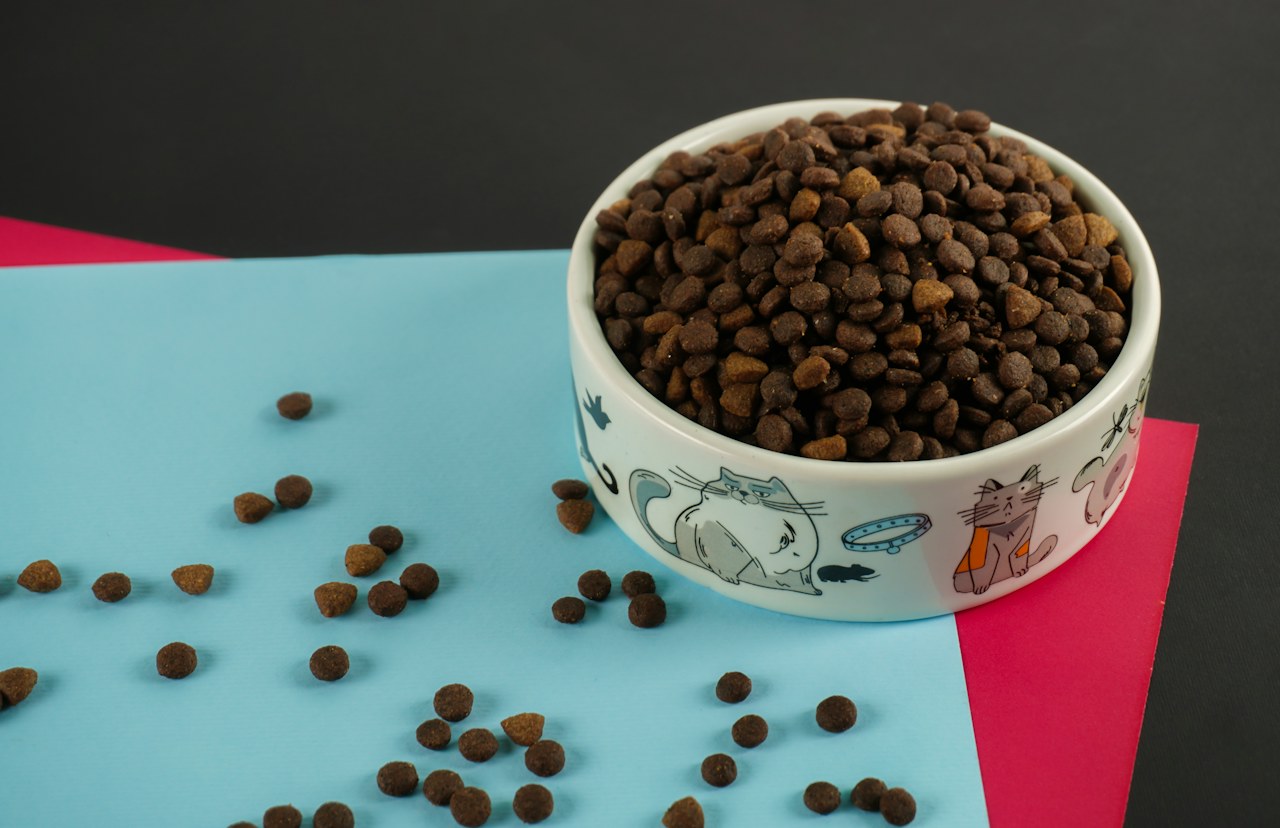
Keep feeding supplies organised without losing package information, and make everyday serving and cleaning easier.
Read the story
Older pets’ nutritional needs differ from those of adults due to aging-related muscle loss, digestive and metabolic changes, and differences between dogs and cats, so adjustments should be based on their health status and made under veterinary guidance.
Read the story
Cat weight management should rely on body condition rather than weight alone, and by correcting free-feeding and excessive treats, using scheduled portion control, low-fat diets, and more exercise, while adapting strategies by age, owners can gradually help cats maintain a healthy physique, lower disease risk, and enjoy longer, healthier lives.
Read the story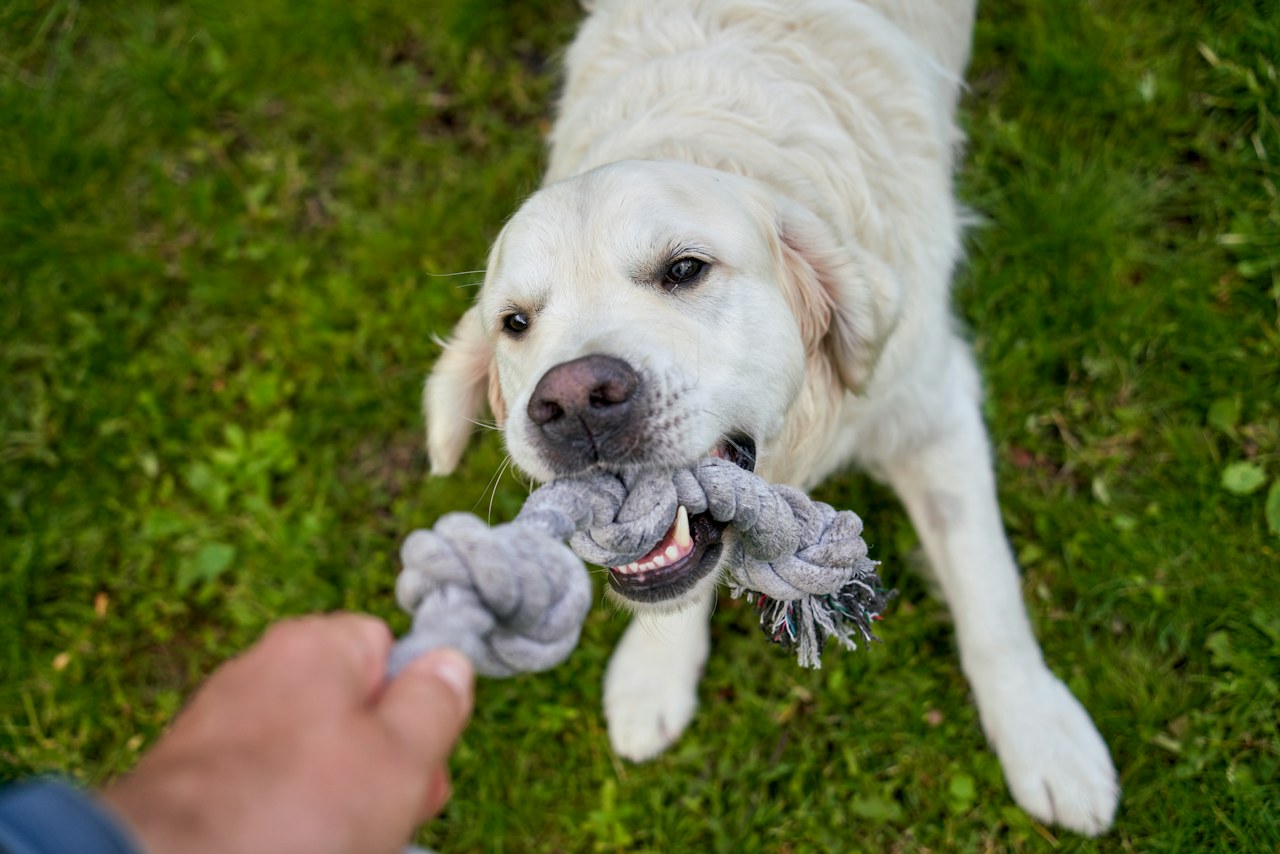
Teach your dog that hearing their name is a useful invitation to look toward you, with easy practice before real distractions.
Read the story
Scent games can serve as a gentle daily mental activity for senior dogs, but they should be combined with veterinary assessment, nutrition, routine, and safe supervision to support their quality of life.
Read the story
Through five progressive stages from enclosed spaces to open parks, using high-value rewards and consistent positive reinforcement to build a “name equals good things” reflex, a dog can learn to return when called even amid outdoor distractions without being punished for coming back.
Read the story
Organise everyday walking equipment so departures are calmer, gear stays in good condition, and essential checks are easy to remember.
Read the story
Selecting and using a pet playpen requires balancing safety, material, size, pet temperament, and home layout, while thoughtful setup, patient introduction, and regular maintenance allow it to support safety, training, and comfort.
Read the story
A litter box is not necessarily better the larger it is; it should be chosen according to the cat’s size, number, health condition, and litter type to balance the cat’s comfort and home hygiene.
Read the story
Keep everyday observations and current care instructions easy to find, without turning a notebook into a substitute for professional advice.
Read the story
Dogs may suffer poisoning or life-threatening consequences after ingesting chocolate, grapes, xylitol, alliums, alcohol, certain household chemicals, toxic plants, or medications, and symptoms such as vomiting, diarrhea, or seizures require immediate contact with a veterinarian and urgent veterinary care.
Read the story
Bad breath in cats and dogs cannot be attributed simply to not brushing their teeth; owners should first observe their breath, eating habits, and oral appearance, maintain low-stress daily care, and consult a veterinarian promptly when warning signs appear.
Read the story