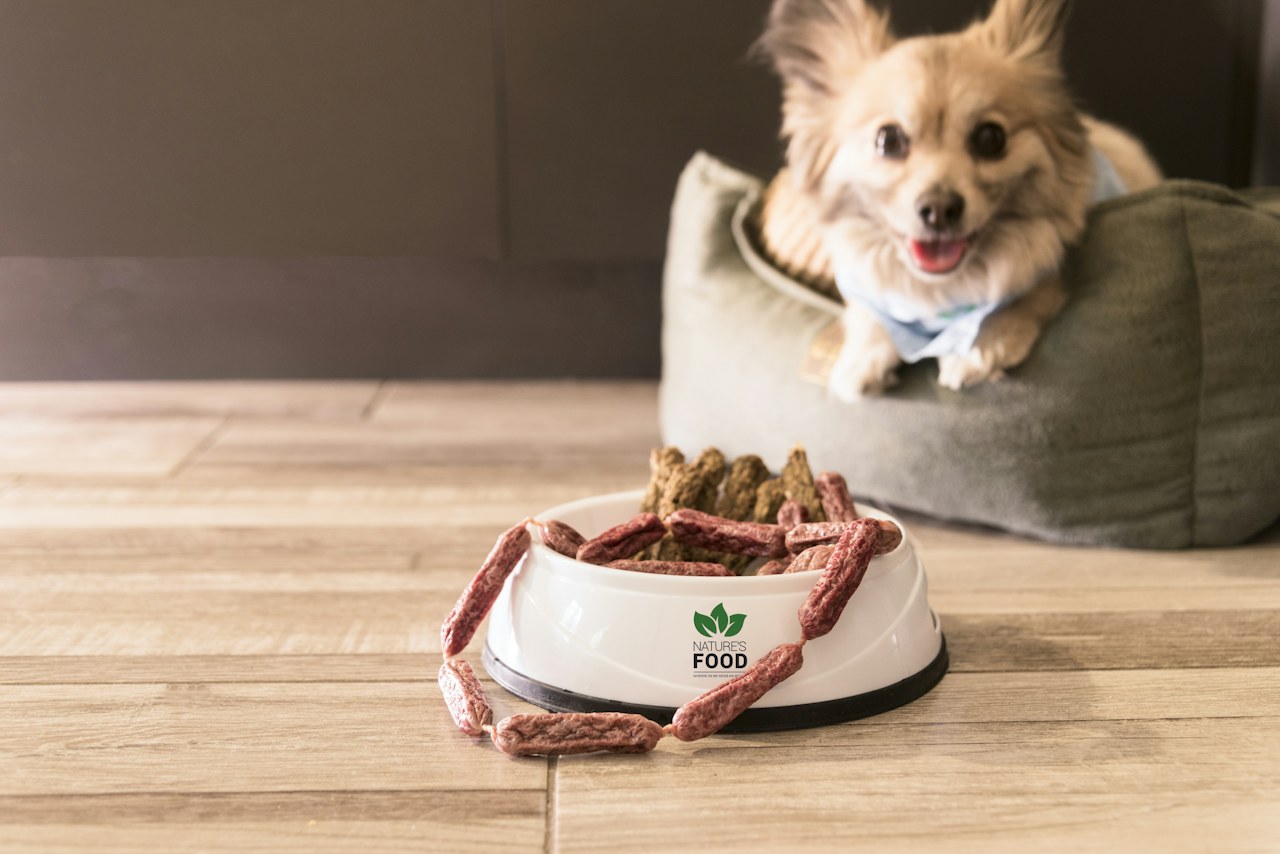
In a busy household, feeding mistakes often begin with a kind assumption. One person sees an empty bowl and offers breakfast, unaware that someone else fed the pet earlier. Another gives a few rewards during a walk and forgets to mention them. A shared feeding log makes these small actions visible. It does not need to become a complicated tracking project or a source of arguments about who remembered what.
The log supports a feeding plan; it does not create one. Ask your veterinarian about appropriate food, amounts, and monitoring for your individual animal, particularly if there are health needs or a prescribed diet. Once that plan is clear, the household needs a dependable way to carry it out. The best record is the one people can update at the moment they feed, with very little effort.
Define what the record needs to answer
For most households, the first question is simple: has this meal happened? Start there before adding extra columns. Record the date, the pet's name, the meal or task, and who completed it. If exact amounts matter, include the agreed unit and make the instruction easy to find. Avoid asking people to rewrite the whole feeding plan each time. Repeated transcription creates opportunities for mistakes and makes the log less likely to be used.
Keep observations separate from completion marks. A tick can confirm that food was offered, while a short note can say whether the pet ate as usual. Those are different pieces of information. If someone simply writes done, others may not know whether the bowl was filled, the animal ate, or the supplies were washed. Clear labels prevent a record from looking complete while still leaving the important question unanswered.
Choose a place that matches the task
A paper sheet beside the feeding supplies may be easier than an app that requires everyone to sign in. In another home, a shared phone note may fit better because people feed in different locations. Choose one current record and make it accessible to the adults responsible. Avoid keeping a paper version and a digital version unless there is a clear reason and a reliable way to keep them aligned.
Test the placement during a normal morning. Can the person feeding update it without leaving an open bag or a waiting animal unattended? Is a pen available? Is the phone note easy to find? Small obstacles matter when the task repeats every day. Move the record or simplify its format before deciding that household members lack motivation. A practical system should reduce effort, not add a second chore after every meal.
Use names when several animals live together
Give each animal a clearly identified section. Do not rely on bowl colour alone, especially when bowls are moved for cleaning. If pets need different foods, keep the product names and instructions distinct. Ask the veterinary team about managing separate diets when needed. The record should reflect the actual arrangement, including any supervision or separation required, rather than assuming every animal eats undisturbed from the bowl intended for them.
Notice whether the feeding area creates confusion. Two bowls close together can make it difficult to know who ate what. A log cannot solve that physical problem on its own. Review the setup and agree on a workable routine before adding more detail to the sheet. If the arrangement is unclear to an adult watching the meal, it will probably remain unclear when someone reads the notes later.
Include rewards in a manageable way
Rewards and treats are easy to overlook because they happen away from the feeding station. Agree how to account for them within the veterinary plan. You might prepare the appropriate daily supply in advance or use another method recommended by the veterinary team. Keep the process simple enough that a walker or sitter can follow it. Do not expect people to remember an exact list of every small item at the end of the day.
Make it clear which products are permitted, especially when an animal has dietary restrictions. Well meaning guests may bring something unsuitable without realising. Put the current instruction where it is visible and ask them to check before offering food. The aim is coordination, not blame. A shared record works best when people can honestly report an extra item or a mistake and then take appropriate advice if necessary.
Write observations that someone else can understand
Useful notes describe what happened: left part of breakfast, approached the bowl and walked away, or ate after the room became quiet. Avoid turning the log into a list of diagnoses or explanations that have not been established. If appetite or other normal behaviour changes, contact your veterinarian as appropriate. A record can help describe a pattern, but it should never be used as a reason to delay care for a concerning change.
Keep notes concise and specific. A time and a brief description are often more helpful than a long emotional account. Include any relevant change in routine, such as a different person feeding or visitors in the kitchen, without assuming it caused the observation. When discussing concerns with a veterinary professional, bring the current food information and the relevant entries. They can help decide which details matter and what action is needed.
Decide how to handle uncertainty
Agree in advance what someone should do if the log is blank and no one knows whether a meal happened. The answer may depend on the animal's needs, so ask the veterinary team where appropriate. Do not create a universal rule that everyone should simply feed again or skip the meal. Put the agreed contact or instruction beside the record. A system is most useful when it covers the awkward moment, not only the smooth routine.
If an entry was missed, correct it openly when the facts are known. Avoid filling gaps with guesses to make the sheet look tidy. An honest unknown is more useful than a confident but inaccurate mark. Review repeated uncertainty as a process problem: perhaps feeding happens in two places, the record is inconvenient, or responsibility is not assigned. Change the arrangement rather than collecting the same preventable confusion each week.
Try the log on a changed schedule
Test the arrangement on a day when the usual person is out early. Can another adult identify the current plan, complete the meal, and leave a clear entry? Watch for a hidden assumption, such as the first person always preparing the bowl or the second person always checking supplies. A shared log works best when responsibility can change without the routine becoming mysterious. Explain the task once, then let the other person show which instruction still needs clarification.
If the day includes a visitor or walker, agree how their contribution reaches the same record. They might send a short update to the responsible adult rather than needing full access to a private household document. Keep the method proportionate to the task. The aim is one clear account of care, not a collection of messages no one reconciles. Review the changed day afterward and improve the awkward step while the details are still easy to remember.
Review the system briefly and then simplify it
After a week, ask whether the log prevented duplicate feeding and made care easier to coordinate. Remove fields nobody needs and clarify labels that caused confusion. Keep any records the veterinary team has asked you to retain, and store them accessibly. The successful version may be a small sheet with a few clear marks. Its value lies in reliable shared care, leaving more attention for the animal and less for reconstructing the morning.
Have a correction or a question? Write to the Amenkingdj team.