
A Quiet Play Routine for Indoor Cats
Use short, responsive play sessions and a small rotation of safe toys to make indoor activity easier to sustain.
Read the story Pets journal
Cat breeds, behavior guides, daily care tips, litter box training, and product recommendations for feline friends.
18 stories · Page 1 of 2Use short, responsive play sessions and a small rotation of safe toys to make indoor activity easier to sustain.
Read the story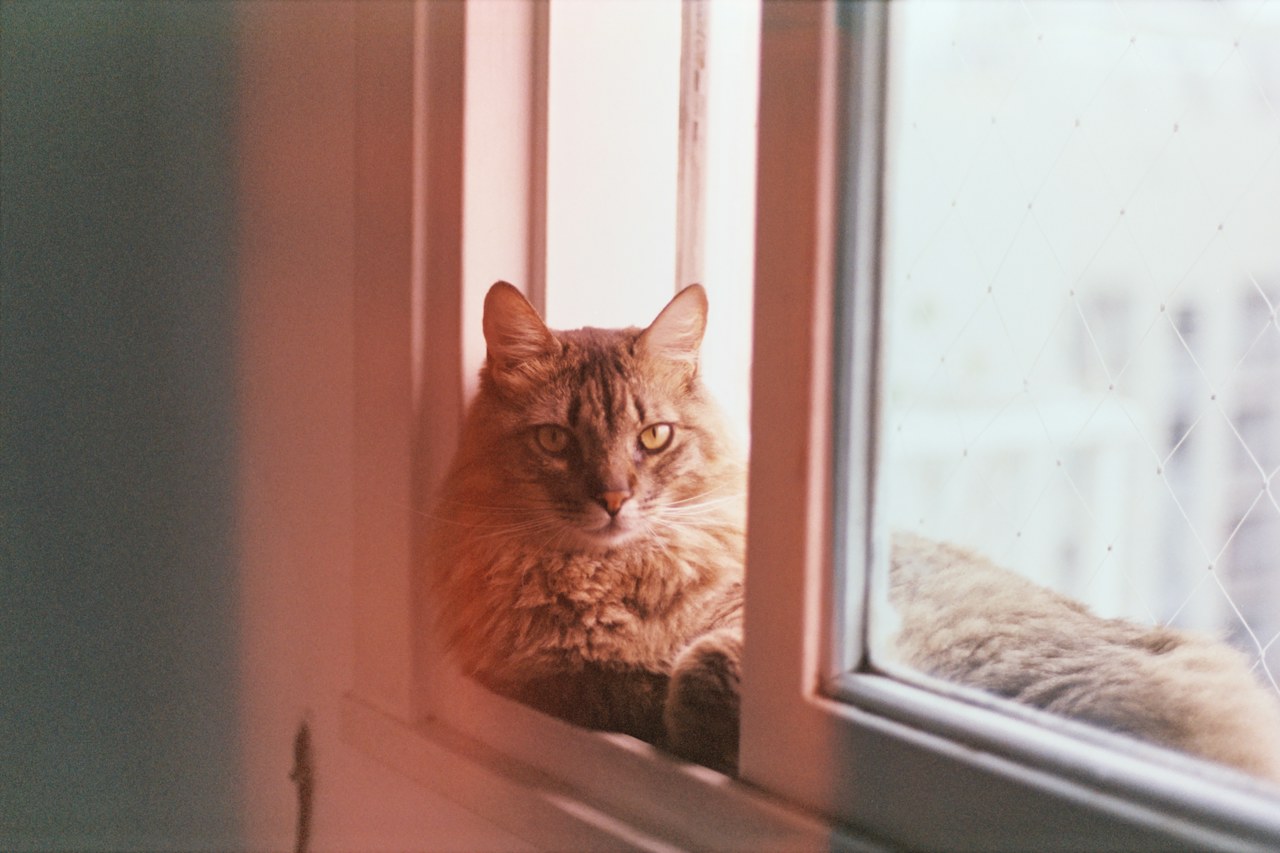
Plan a secure viewing spot with sensible access, shade, and an alternative retreat when the view becomes too busy.
Read the story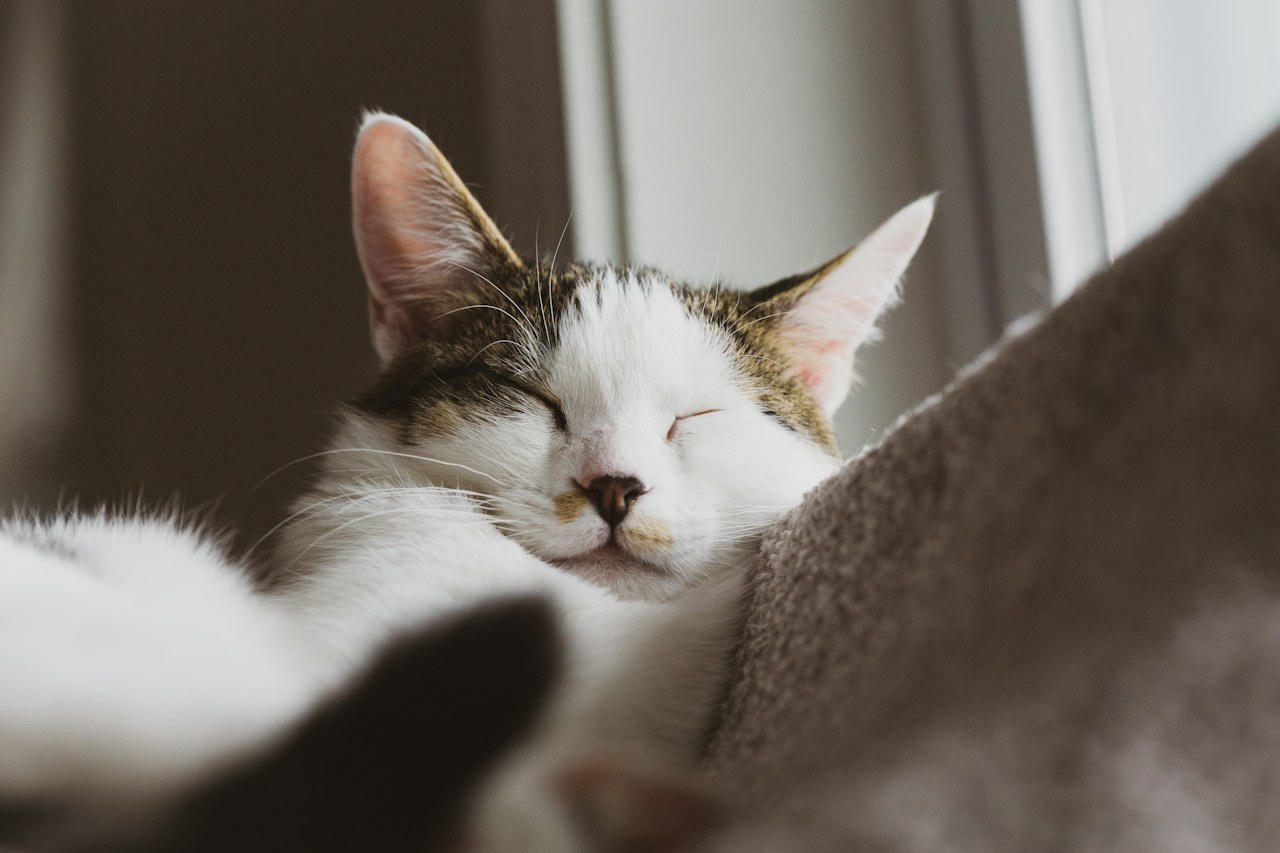
Prepare a retreat, brief your guests, and give your cat a choice about joining household activity.
Read the story
Helping a shy cat adapt to visitors requires first establishing a safe zone, then using gradual desensitization and positive interaction alongside ongoing stress monitoring, emergency handling, and long-term environmental management.
Read the story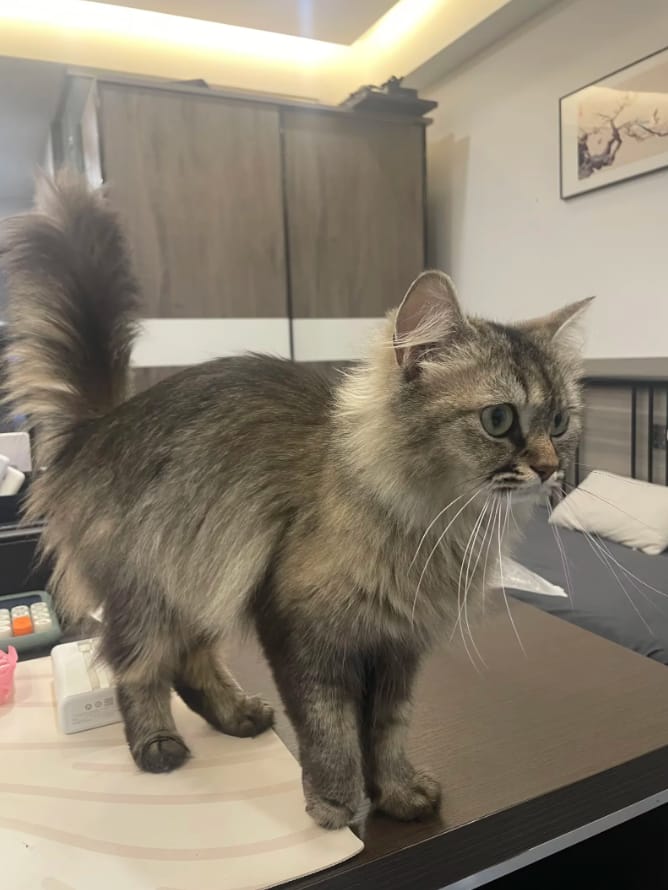
During the first two weeks after a kitten arrives home, a stable environment, familiar food and litter, low-pressure interaction, gradual exploration, and consistent health observation help it adapt smoothly, with prompt veterinary care if abnormalities occur.
Read the story
**Handling Training**
Read the story
How do you shape your cat's personality to make it well-behaved and affectionate? Read this to find out.
Read the story
The period between one and six months of age is the golden window for socializing a kitten. Like a blank slate, they can easily form good, well-mannered habits—or, with improper guidance, develop trou
Read the story
Provide appropriate toys and activities.
Read the story
If a cat still doesn’t drink more after switching to a water fountain, first check the drinking location, container cleanliness, noise, multi-cat resources, and food moisture, then track diet, urination, and behavior for a week, and seek veterinary care for persistent abnormalities instead of just changing devices or forcing water.
Read the story